

By Li Xiaomeng
Translated by Guo Yishun
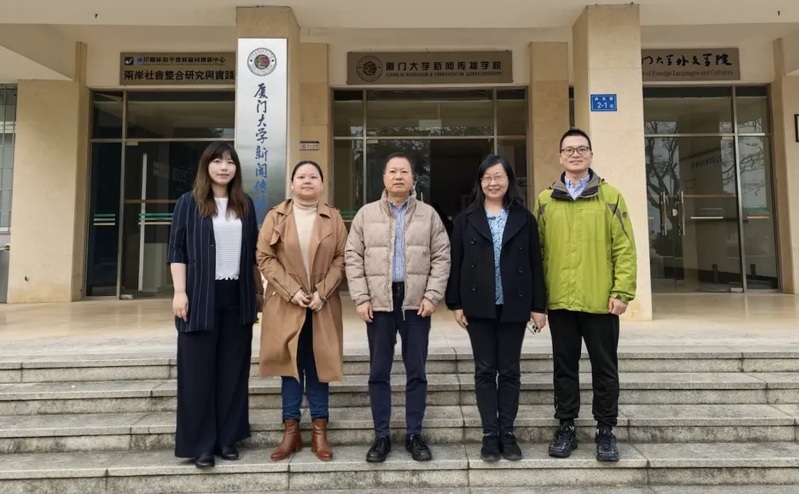
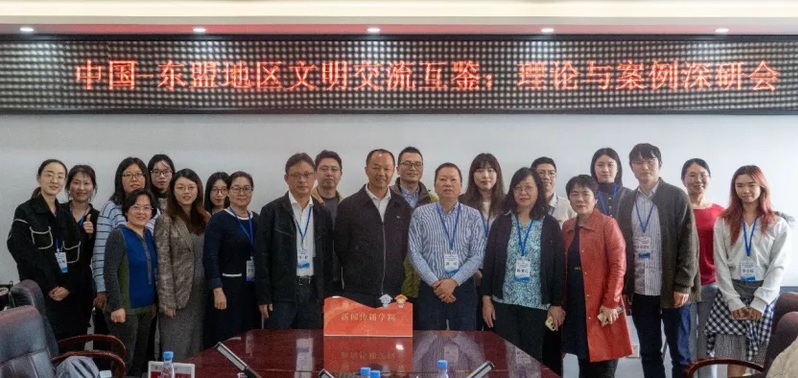
On December 18, 2025, a delegation from the Research Center for Global Public Opinion of China at Shanghai International Studies University visited the School of Journalism and Communication at Xiamen University for a research workshop titled “Civilizational Exchange and Mutual Learning between China and ASEAN: Theories and Cases.” Scholars and students from multiple universities attended, engaging in focused discussions on ASEAN-related international communication practices.
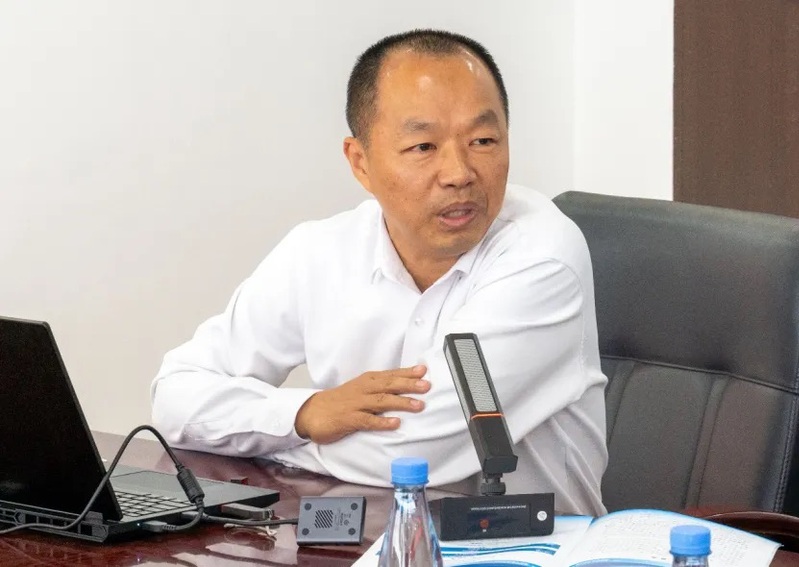
XMU Dean Lin Shengdong opened the workshop, noting XMU’s long-standing engagement with Southeast Asia and its sustained research on ASEAN countries, including Malaysia, Vietnam, Thailand, Laos, Indonesia, Brunei, Cambodia, and the Philippines.
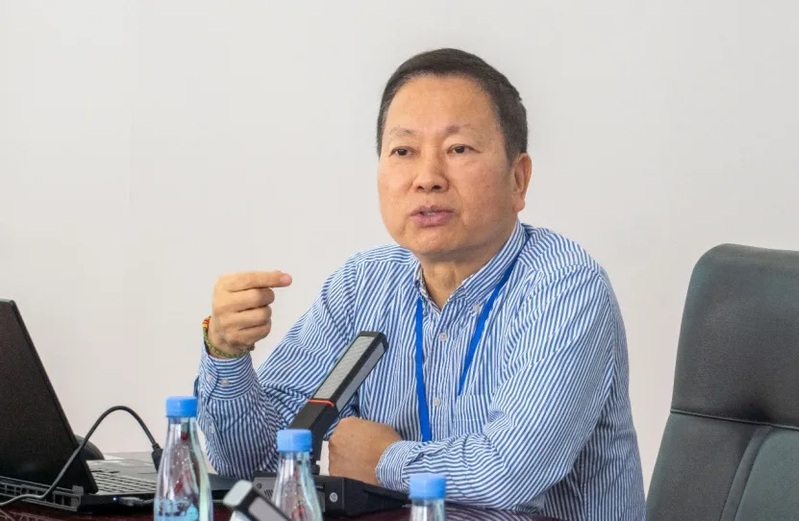
Professor Guo Ke from SISU emphasized the importance of effective China–ASEAN international communication while pointing out current challenges, such as homogenized narratives, limited attention to everyday social issues, and linguistic and cultural barriers. He called for more contextualized, practice-oriented communication models and invited scholars to contribute to SISU’s journal Online Media and Global Communication and its international communication case database.
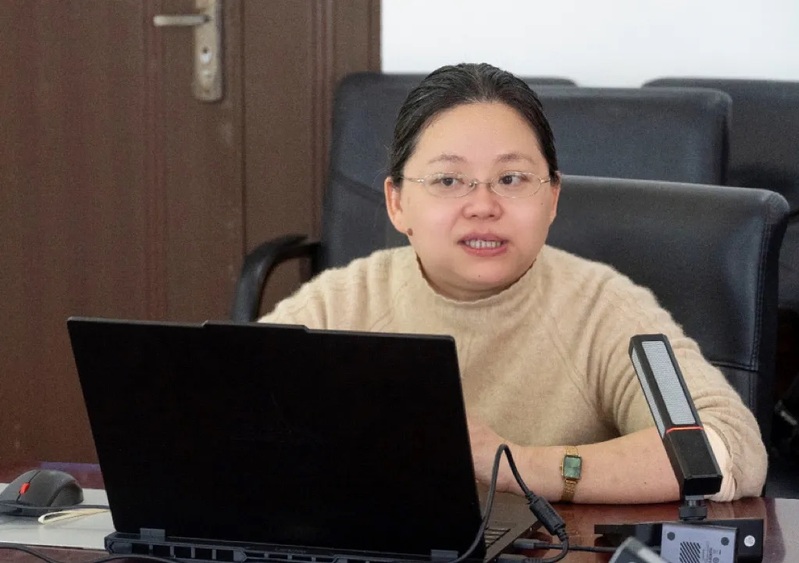
SISU Associate Dean Yan Yining introduced the university’s platforms in area studies and international communication, highlighting its multilingual strengths and initiatives such as international forums and overseas reporting projects. She proposed closer collaboration with Southeast Asian universities through joint forums, exchanges, and field research.
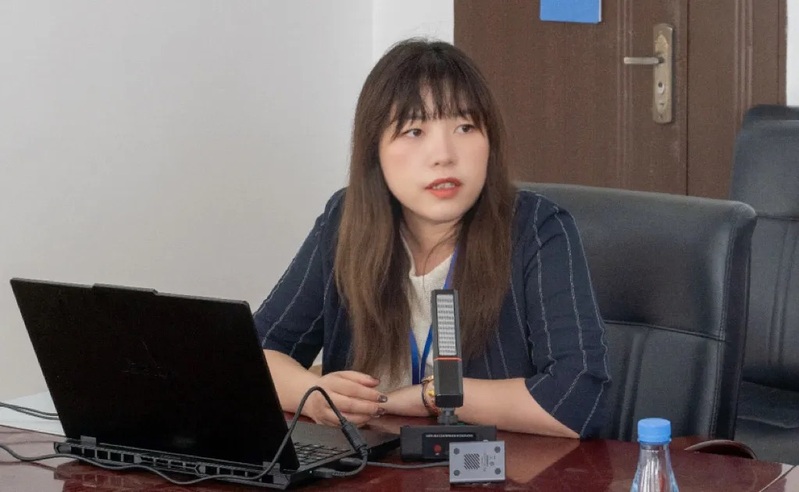
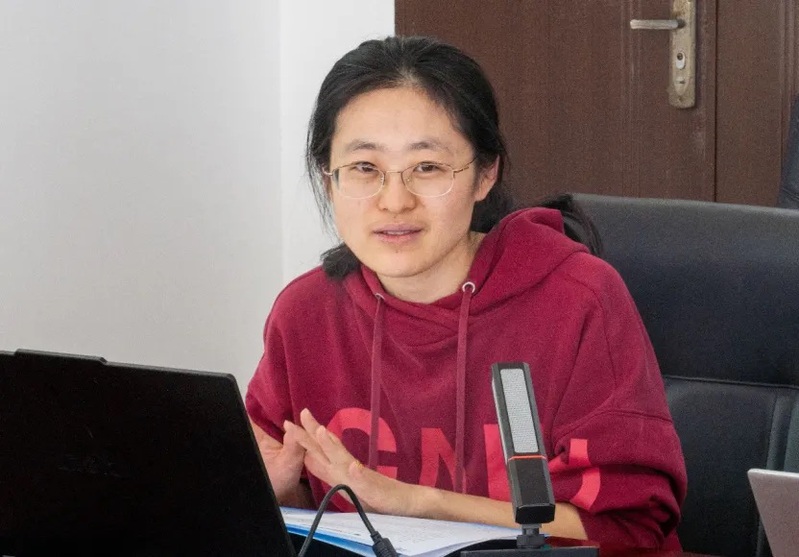
Professor Chen Peiqin and Assistant Researcher Li Xiaomeng from SISU addressed the issue of imbalances between Global South and Global North academic discourse. Scholars and research outputs from non-Western countries often remain marginalized, with ASEAN voices particularly underrepresented in communication studies. Using Online Media and Global Communication as an example, Li introduced the journal’s practices, including single-blind and double-blind peer review and the provision of multilingual abstracts in Chinese, French, and Russian, to enhance the visibility of Global South scholarship.
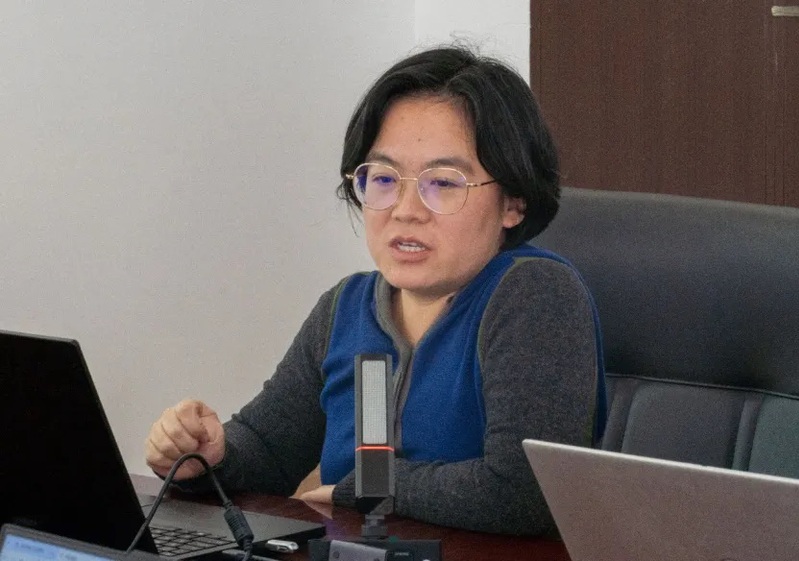
Assistant Researcher Xia Qi and Professor Chen Peiqin further shared their research on the “new three pillars” of China’s cultural globalization: online literature, online games, and online audiovisual content. Nevertheless, challenges remain, including intense international competition, content homogenization, and cultural barriers. Effective globalization strategies, they argued, must emphasize localization, prioritizing translation quality in Southeast Asia, deep localization in Western markets, and user cultivation in emerging markets.
Following the SISU presentations, the ASEAN International Communication Research Team from Xiamen University (XMU) shared a series of studies on Southeast Asia. Dean Lin Shengdong outlined approaches to research-oriented case studies and presented work on Vietnam’s journalism and communication landscape, linking media history, industry structures and field insights from the 2024 China–Vietnam education cooperation seminar. Assistant Professor Zheng Jingwei discussed studies on Cambodian youth, examining perceptions of China and Chinese-language learning, while Associate Professor Ye Hu analyzed the regional hub role of the China–Thailand Railway in advancing Southeast Asian connectivity.
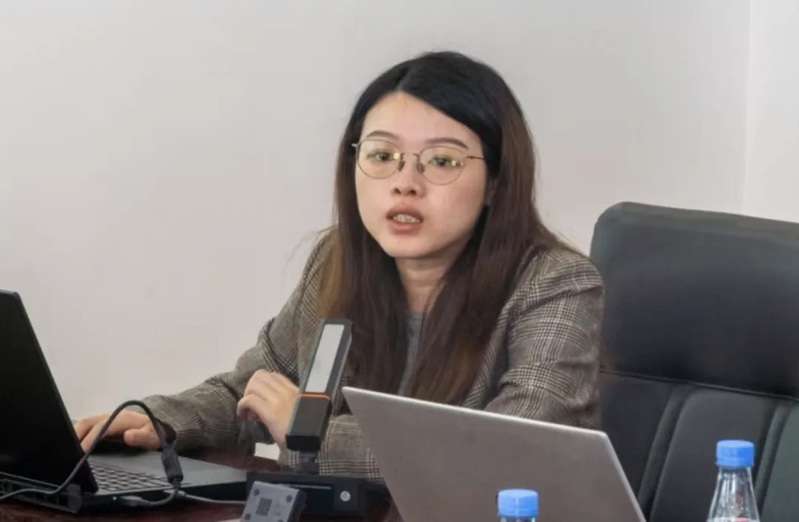
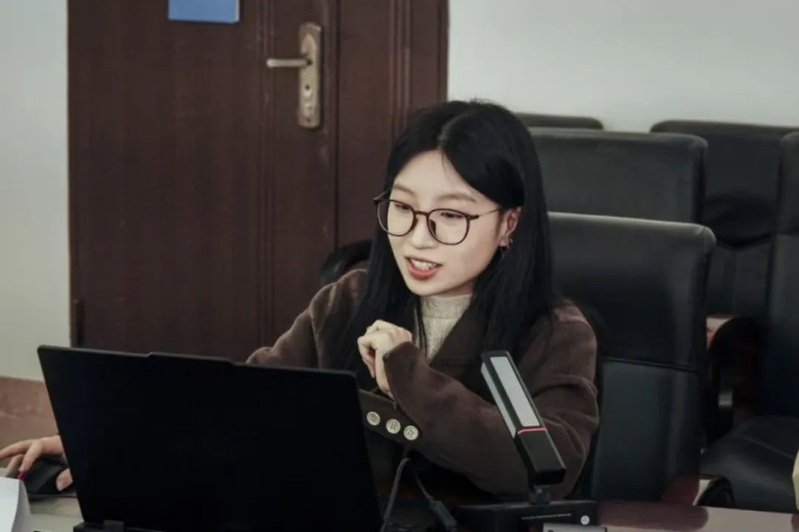
Other presentations focused on economic, social and cultural dimensions of regional exchange. Associate Professor Yang Ying examined China–Indonesia trade under the Belt and Road Initiative through case studies of Chinese firms adapting to local regulations and cultures. Li Weijuan of Huaqiao University analyzed the digital transformation of overseas Chinese associations in Laos, while XMU student Ni Zihan explored cultural conflict and religious integration in the Philippines. Assistant Professor Wang Ziyi concluded by addressing de-Westernized approaches to international communication and China’s outreach through Southeast Asian languages.
The workshop concluded with remarks by Guo Ke and Lin Shengdong, who called for more focused, collaborative research on ASEAN, emphasized mutual exchange rather than one-way cultural output, and encouraged interdisciplinary approaches to strengthen theoretical depth and academic impact.
 |Hongkou Campus|550 Dalian Road (W), Shanghai 200083, China |Songjiang Campus|1550 Wenxiang Road, Shanghai 201620, China